
18/02/2026
From May 21, 2026, DIWASS will be mandatory for cross-border waste transport in the EU. In a previous article, we already took a closer look at DIWASS and what it exactly entails. But how can you best prepare for the upcoming regulations? And what exactly changes for you?
What is DIWASS?
DIWASS (digital waste tracking system) is the central European system for the registration of waste shipments.
The digital registration applies to every cross-border waste shipment, for both:
- Green-listed waste (Annex VII)
- Amber-listed waste (Annex IB)
Shipments that take place exclusively within the territory of one of the Member States do not need to be reported via DIWASS. These follow specific local legislation.
To whom does it apply?
The parties within the waste chain involved in this registration are:
- waste producers;
- collectors, dealers, and brokers;
- carriers and logistics service providers;
- processors.
What exactly changes in practice?
Broadly speaking, the new regulations affect two procedures: notifications and the procedure for Annex VII. Both procedures must be handled digitally as of May 21, 2026. The DIWASS system was developed for this purpose.
Each Member State may decide for itself per procedure whether companies must work directly via DIWASS or via their own national tool that is linked to DIWASS.
Flanders has already announced that companies must use DIWASS for Annex VII, but the EVOA web portal for digital notifications.
The Netherlands, Wallonia, and Brussels have chosen the DIWASS system for both procedures.
France has a national tool for both procedures.
How can I prepare?
- Map out your processes
- Which procedures apply to your waste shipment?
- How are documents currently used within your organization?
- Digitize your documents
- eAnnex7 and eAnnexIB
- Available via API in eWastra starting in March, followed by the manual version.
- Available via API in eWastra starting in March, followed by the manual version.
- eAnnex7 and eAnnexIB
- Involve all your partners
Establish connections with your partners on eWastra to ensure a seamless digital exchange of documents and DIWASS registrations.
Pionira’s COO Sebastiaan Laloo provided more information on this in the new podcast from Denuo. Listen to the episode again below.
How can these registrations be handled automatically via Pionira?
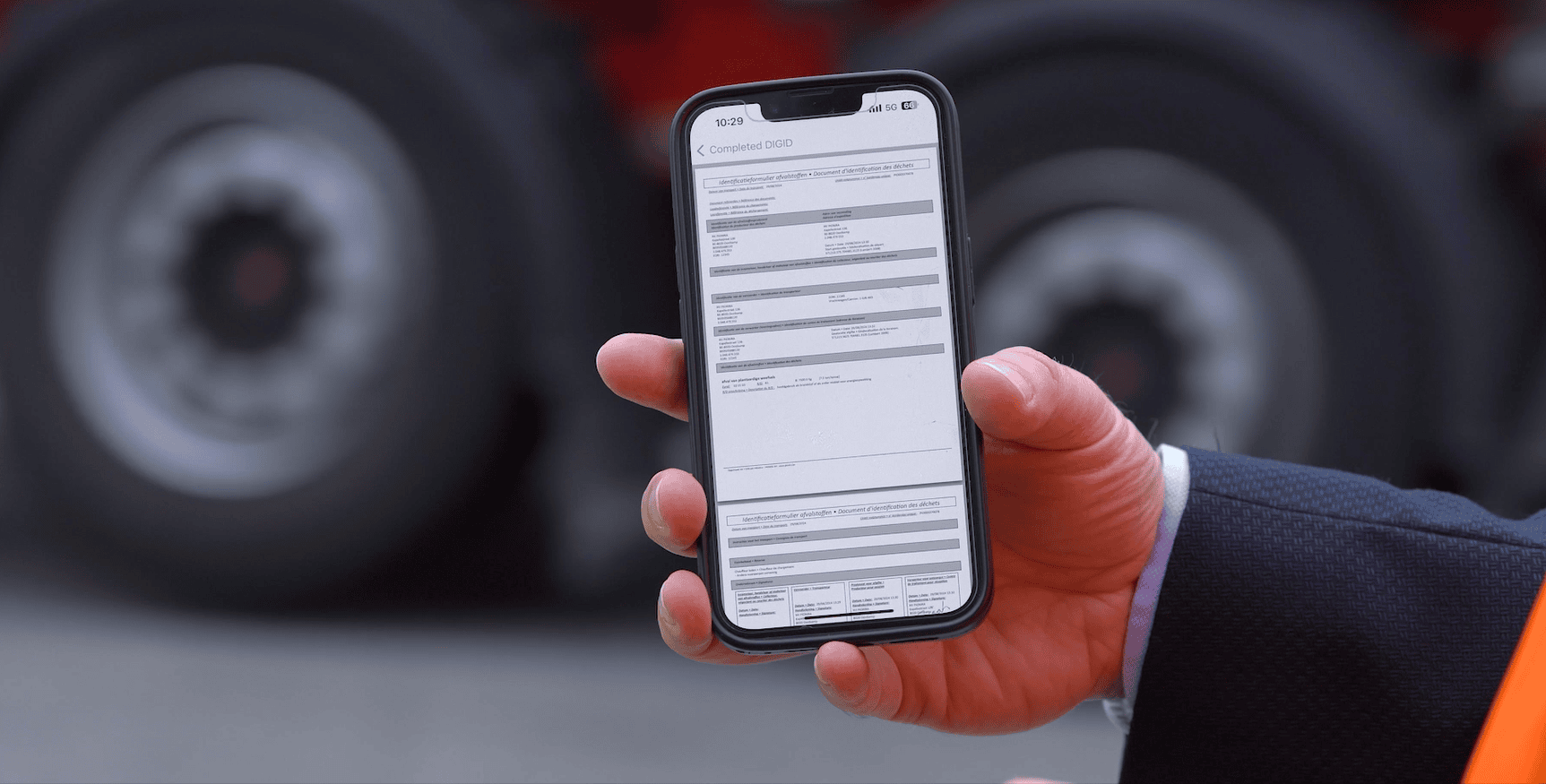
With eWastra, you digitize both European transport documents for waste: Annex VII and Annex IB (movement document). Furthermore, we provide a direct link with DIWASS so that all your registrations are automatically in order for you and your partners, from initial creation to final processing declaration.
💡TIP: Did you know that you can also digitize your CMR via eWastra? Take advantage of this requirement and digitize your CMR alongside your waste documents within the same application.
Do you still have questions about DIWASS and what it means for your company? Discover some frequently asked questions below or consult the website of the European Commission or your local government (OVAM for Flanders).
Frequently asked questions about DIWASS
No, shipments that take place exclusively on the territory of one of the Member States do not need to be reported via DIWASS. These follow specific local legislation.
Every waste shipment must be reported in DIWASS in advance.
When you use the digital Annex VII (eAnnex7) from eWastra, we handle this registration automatically upon creation of the Annex VII.
The party currently mentioned in box 1 of Annex VII is the one responsible for drafting and registering the document in DIWASS.
In addition, all parties signing an Annex VII must also register in DIWASS. This concerns the producer(s), collector/dealer/broker, importer, and carrier(s).
When you process Annex VII digitally with your partners via eWastra, these registrations are performed automatically via the eWastra portal and app.
Mandatory DIWASS registration applies in all Member States. However, each Member State can determine for itself whether companies communicate directly via DIWASS (UI or API) or via a national tool linked to DIWASS in the background. Not all governments have provided clear guidelines on this yet.
It is essential to verify which procedures apply to your waste shipments. When in doubt, you can always consult environmental consultants. Furthermore, it is particularly important to determine who drafts the documents and how they are currently communicated, so that you have a complete overview.
